


Greenhouses in Australia: Driving the Future of Sustainable Agriculture
In Australia, agriculture is undergoing a quiet but powerful transformation. Greenhouses in Australia have emerged as one of the fastest-growing sectors, especially in protected cropping, which is valued at around AUD 1.5 billion annually. This method of cultivating crops in a controlled environment is already adopted by about 30% of Australian farmers, reflecting its vast potential and promising market outlook.

Compared to traditional open-field farming, greenhouse cultivation offers remarkable advantages:
Controlled Environment – Greenhouses regulate temperature, humidity, and light, providing stable, year-round growing conditions that overcome seasonal and climatic limitations.
Optimised Water Use – With precision irrigation systems, greenhouses significantly reduce water wastage and enhance efficiency, aligning with Australia’s water conservation goals.
Effective Pest Management – The enclosed environment limits pest intrusion, reducing the need for chemical pesticides and supporting healthier, eco-friendly crop production.
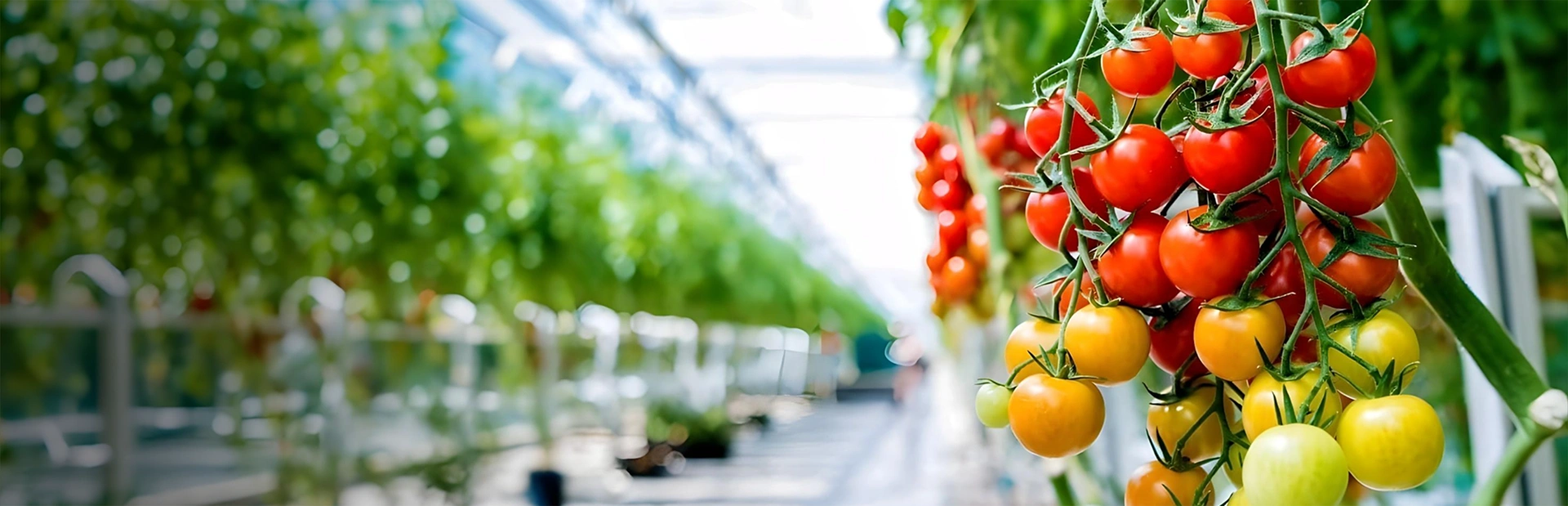
From tomatoes, cucumbers, and strawberries to ornamental flowers, greenhouses provide the ideal conditions for both yield and quality improvements. As consumer demand for safe and sustainable produce continues to rise, Greenhouses in Australia are becoming a key driver of agricultural innovation and profitability.
Today, investing in greenhouse farming is more than just adopting new technology—it’s making a strategic choice to align with environmental trends and future market demands. Seizing the greenhouse opportunity means securing a brighter future for Australian agriculture.
Related News
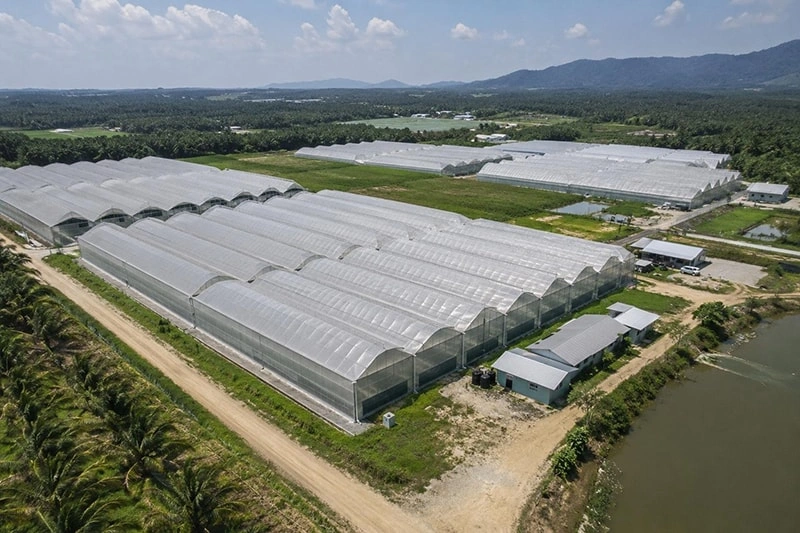
Dear Valued Customer, This professional overview fully elaborates on core characteristics, structural materials, wind resistance, snow load bearing capacity and diversified practical applications of standard garden greenhouses, to support your garden planting project planning.
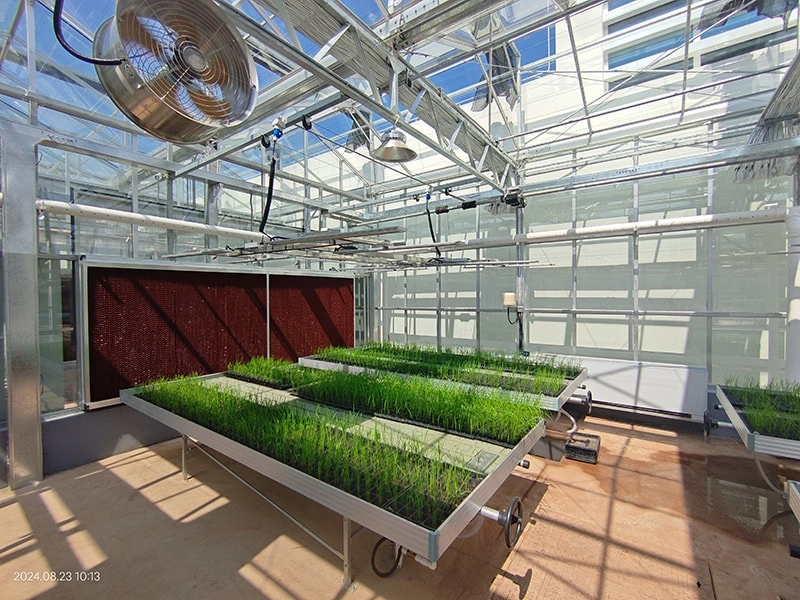
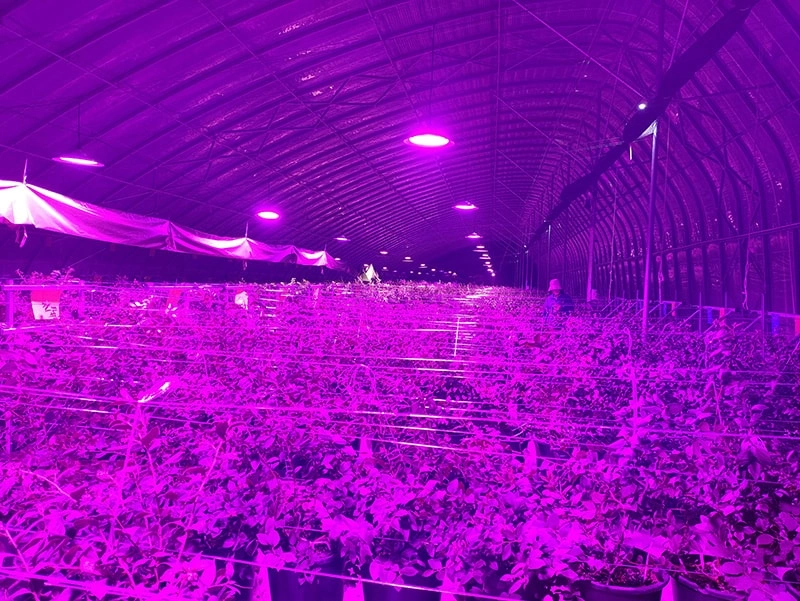
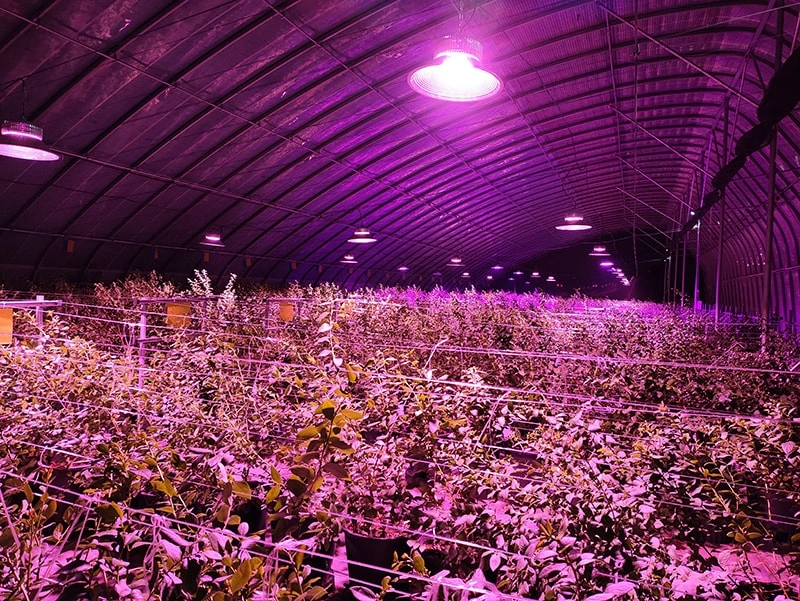
As global agriculture continues to move toward intelligent, energy-saving, and high-efficiency cultivation systems, greenhouse technology has become one of the most important solutions for modern farming. In recent years, LED grow lighting systems have played a critical role in improving crop quality, increasing yields, and extending growing seasons. Among the leading solutions in this field, Seegree LED Grow Lights have demonstrated excellent performance in greenhouse projects worldwide.
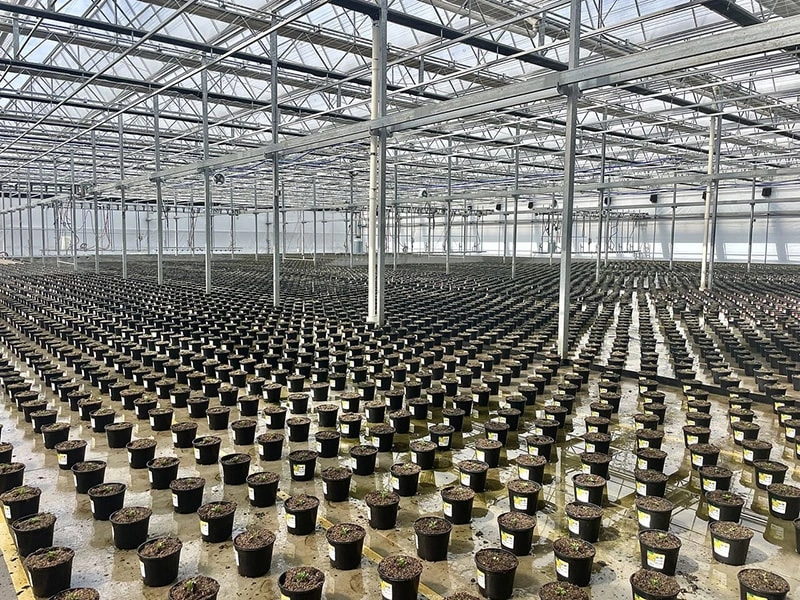
In today’s rapidly evolving agricultural industry, growers around the world are seeking smarter, more sustainable, and more profitable cultivation solutions. Whether for vegetables, flowers, fruits, nurseries, hydroponics, or commercial farming projects, modern greenhouse systems have become an essential investment for increasing productivity and ensuring stable crop quality throughout the year.
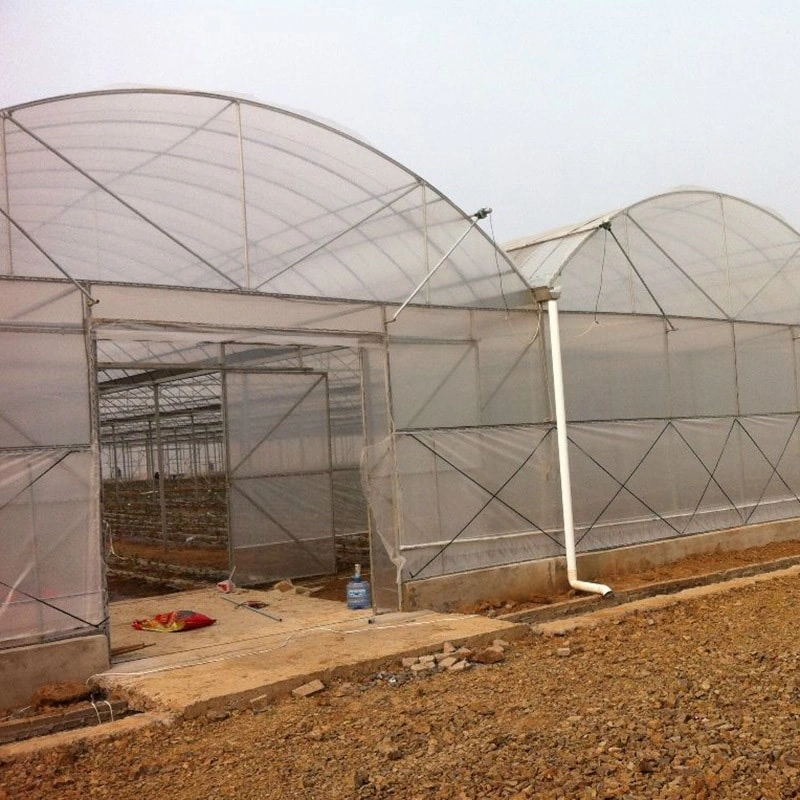
Supplemental lighting systems are crucial components in modern greenhouse and smart agricultural facilities. Their primary function is to compensate for insufficient natural sunlight, ensuring consistent, high-quality, and year-round crop production regardless of external weather conditions or seasonal limitations.
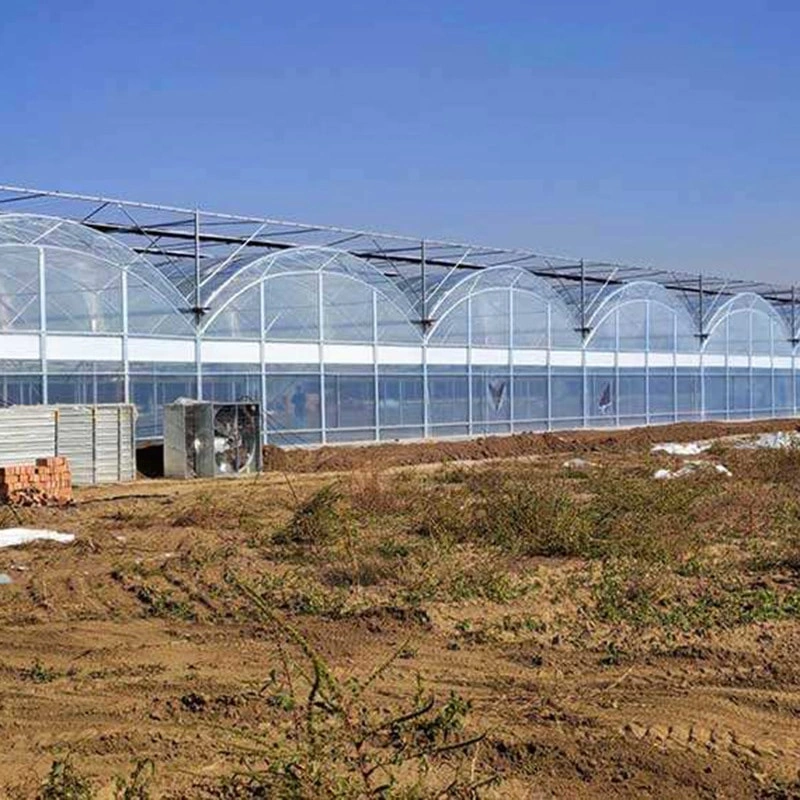
Intelligent agricultural greenhouses, representing the pinnacle of modern farming technology, are advanced cultivation facilities that integrate automated control systems, IoT sensors, and data analysis management platforms. They surpass the basic physical protection offered by traditional greenhouses by enabling real-time monitoring and intelligent regulation, thereby creating and maintaining a continuously optimized growing environment for crops. This facilitates precision, high efficiency, and an industrialized approach to agricultural production.
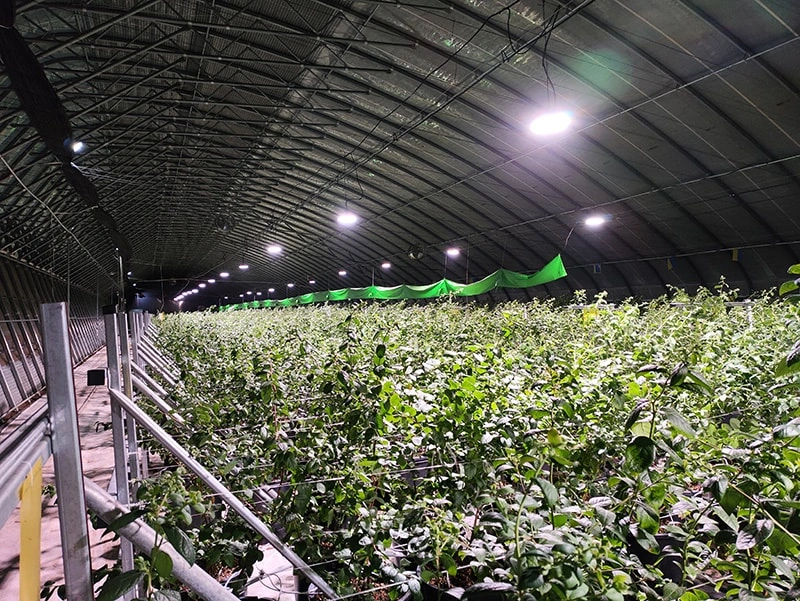
Vegetable and flower greenhouses, commonly referred to as horticultural or production greenhouses, are controlled environment structures specifically designed for the cultivation of edible crops and ornamental plants. Their primary purpose is to create and maintain optimal growing conditions independent of external weather, thereby maximizing yield, quality, and production efficiency.
Greenhouse fasteners, also known as greenhouse clips, clamps, or connectors, are essential hardware components designed for the assembly, securing, and maintenance of greenhouse structures. They play a critical role in ensuring the structural integrity, stability, and longevity of the greenhouse by firmly joining various parts together and holding covering materials in place.
Greenhouse thermal blankets, also known as insulated greenhouse covers or energy-saving blankets, are specialized protective layers designed to maintain optimal temperatures within greenhouse structures. Their primary function is to reduce heat loss during cold nights and winter months, thereby creating a stable and warm microclimate for plant growth.

A greenhouse, often referred to as a glasshouse or polyhouse, is a controlled environment structure designed to cultivate plants under optimal conditions, regardless of external weather. Modern greenhouse technology has evolved far beyond simple protective shelters, integrating advanced systems for efficient and sustainable agricultural production.

Modern greenhouse systems represent a sophisticated and versatile solution for contemporary agricultural and horticultural needs. These controlled-environment structures enable year-round cultivation, optimal resource management, and enhanced crop yields, regardless of external climatic conditions. Our company specializes in the design, fabrication, and installation of a comprehensive range of greenhouse types, each tailored to specific applications and client requirements.