



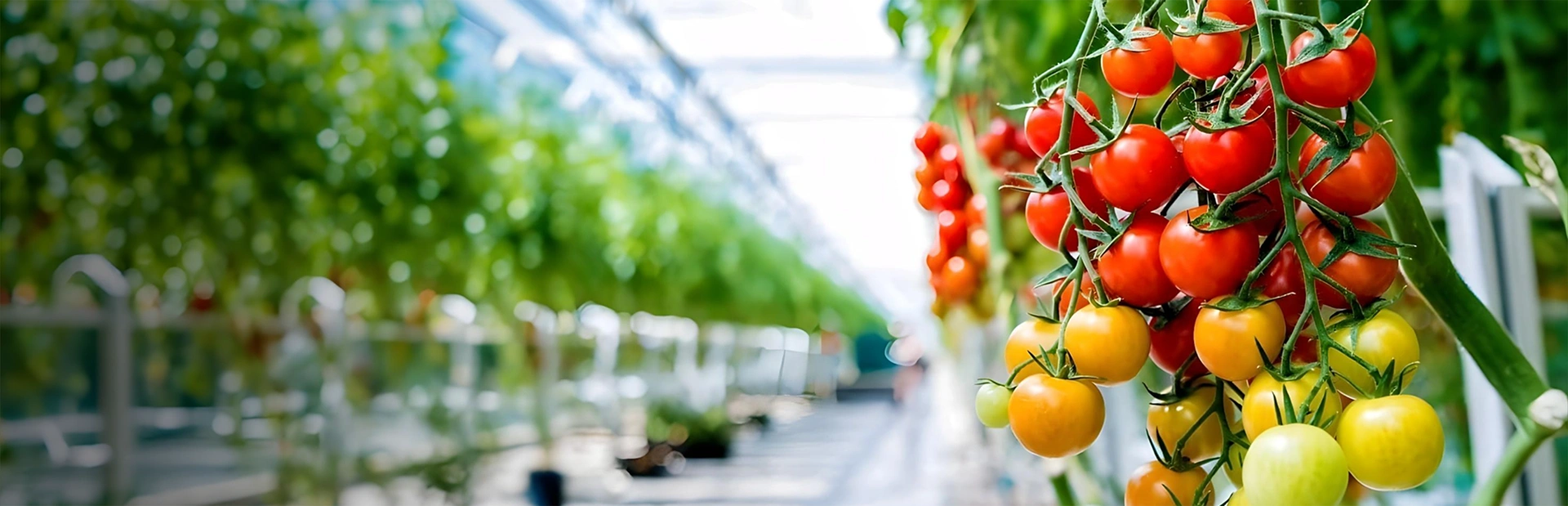
Garden Greenhouse: Comprehensive Introduction for Backyard & Small Commercial Cultivation
Dear Valued Customer, This professional overview fully elaborates on core characteristics, structural materials, wind resistance, snow load bearing capacity and diversified practical applications of standard garden greenhouses, to support your garden planting project planning.
1. Core Structural Features of Garden Greenhouses
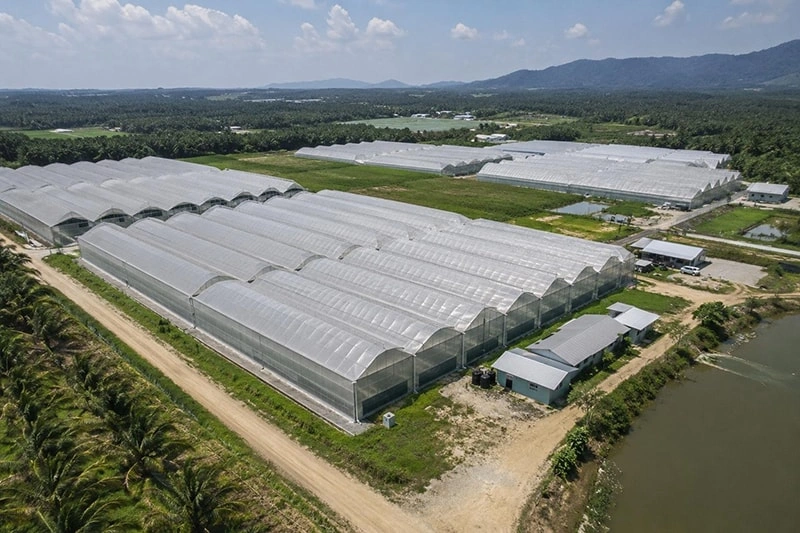
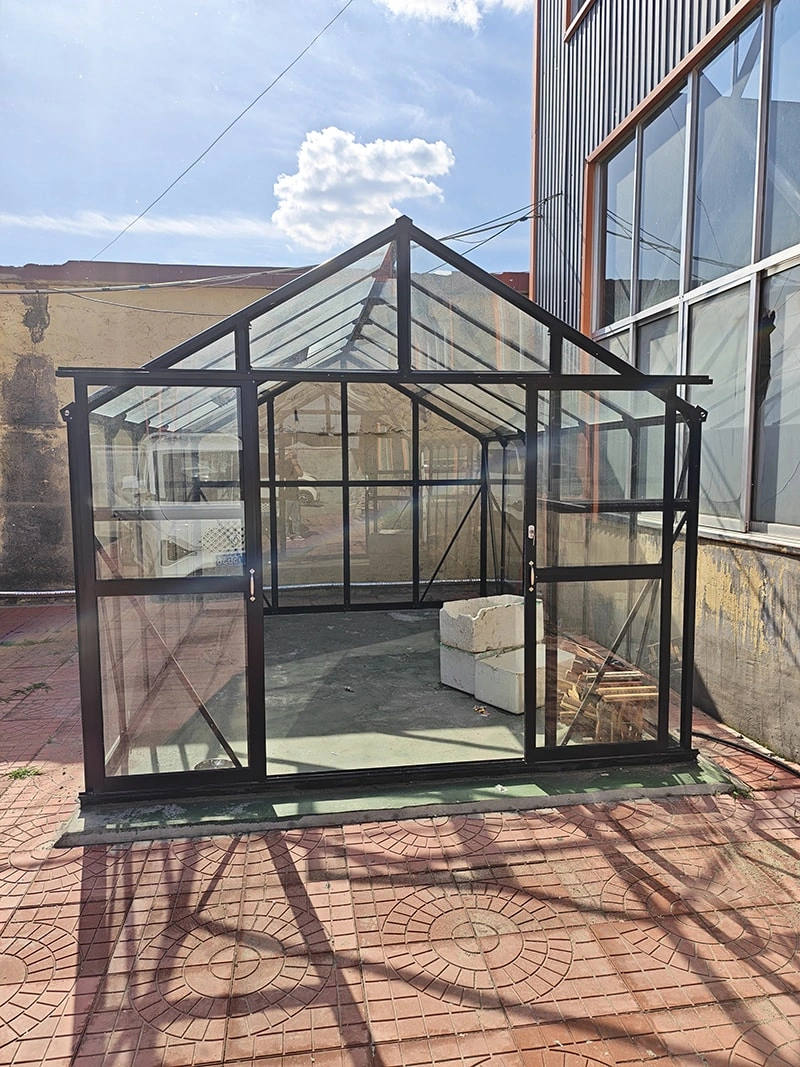
Garden greenhouses are modular, space-efficient cultivation structures designed for residential backyards, small farms and boutique horticulture bases, balancing practical growing performance and easy installation. First, diverse architectural shapes meet regional climate demands. Gable roof models dominate cold and heavy-snow zones with steep sloped roofs for automatic snow sliding; arched hoop greenhouses deliver excellent aerodynamic performance for coastal windy areas; lean-to greenhouses attach to residential walls to save garden space and cut heating costs in winter. All standard designs reserve installation positions for roof ventilation windows, side sliding doors, insect-proof nets and drip irrigation pipelines, forming an independent enclosed microclimate. Second, flexible space configuration covers multiple size options from compact walk-in kits for small patios to medium-sized multi-bay garden greenhouses for commercial berry planting. Internal layout supports layered seedling racks, elevated growing beds and hanging planting brackets, making full use of vertical space without occupying excess garden ground. Besides, modular splicing structure enables fast assembly without complex construction machinery, and all parts are detachable for seasonal storage or site relocation. Third, integrated climate regulation capacity is built in. The enclosed structure locks solar heat to raise internal temperature by 5–12°C on cold days, while ventilation systems discharge hot air in summer to avoid high-temperature plant damage. Matching sunshade films and thermal insulation layers can be added optionally to stabilize root zone temperature all year round.
2. Main Frame & Covering Materials
Frame Materials
1.Hot-dip galvanized steel frame The most widely adopted heavy-duty option for commercial garden greenhouses. Thickened steel tubes undergo full galvanization to resist rust and corrosion under long-term outdoor humidity, with service life reaching 10–15 years. Reinforced triangular truss connections enhance overall structural rigidity, suitable for areas with strong wind and heavy snow. Customizable tube thickness can upgrade load-bearing performance for extreme weather regions.
2.Aluminum alloy frame Lightweight, anti-oxidation and elegant appearance, ideal for small household garden greenhouses. It features easy cutting and assembly, no heavy load on garden ground foundation, but is more suitable for mild climate zones with low wind and light snow.
3.Solid cedar wood frame Low-carbon aesthetic choice for leisure garden spaces. Natural wood texture matches courtyard landscapes, with natural thermal insulation effect, yet requires regular anti-corrosion paint maintenance and cannot bear heavy snow loads.
Covering Materials
1.UV-stabilized polycarbonate hollow panels Premium transparent covering material for high-end garden greenhouses. Double-layer hollow structure delivers outstanding thermal insulation, light transmittance above 85%, anti-condensation coating avoids water droplets dropping on crops. Impact resistance is far superior to glass, resisting hail damage; 10–15 year anti-UV service life without yellowing.
2.Anti-drip PE greenhouse film Cost-effective mainstream covering for medium and large garden greenhouses. Added UV stabilizer and anti-fog agent eliminate internal water mist, uniform light diffusion prevents plant sunburn. Different film thicknesses match diverse climates: thickened 200-micron film for cold northern areas, standard 120–150-micron film for temperate regions.
3.Tempered float glass Highest light transmittance option for ornamental flower greenhouses. Clear glass maximizes sunlight intake, scratch-resistant and easy to clean, yet poor thermal insulation and fragile under hail or heavy snow, requiring reinforced frame support.
3. Wind Resistance Performance
Wind load capacity is a core engineering indicator to evaluate garden greenhouse durability, tested in accordance with international agricultural structure standards. Standard galvanized steel gable garden greenhouses with complete ground anchoring systems support sustained wind speed up to 80 km/h, withstanding gust peaks of 100 km/h. Heavy-duty reinforced models with thicker steel tubes and additional diagonal bracing can resist continuous wind of 120 km/h, applicable to coastal areas prone to seasonal storms. Arched hoop garden greenhouses adopt streamlined curved surfaces to reduce wind impact force, effectively lowering lateral load on frames. Complete wind-resistant accessories include ground spiral stakes, tension ropes and base fixing footings, which lock the whole structure firmly on soil or concrete ground to prevent displacement or overturning under strong wind. Lightweight aluminum and mini pop-up garden greenhouses fit suburbs with gentle wind, with rated wind resistance of 40–60 km/h, and must be reinforced with full sets of fixing accessories during windy seasons.
4. Snow Load Bearing Capacity
Snow load directly determines the greenhouse’s winter service life in cold zones, calculated by the weight of accumulated snow per square meter of roof surface. Heavy-duty galvanized steel gable garden greenhouses with steep 30-degree pitched roofs own a standard snow load rating of 0.5 kN/m², capable of bearing 50 cm thick natural snow cover; upgraded thickened truss versions reach 0.7 kN/m² for alpine regions with long heavy snow periods. The steep roof angle accelerates natural snow sliding to avoid long-term pressure accumulation on frames. Arched film garden greenhouses have moderate snow load performance of 0.25–0.35 kN/m², suitable for areas with short-term light snow; manual snow removal is required after heavy snowfall to prevent frame bending or film rupture. Small aluminum and wooden garden greenhouses only adapt to regions with minimal snowfall, as their thin frames cannot sustain thick accumulated snow and risk structural deformation in winter.
5. Diversified Specific Applications
Commercial Berry Cultivation
Perfect match for strawberry and blueberry soilless planting when combined with PE growing bags. Stable acidic substrate environment inside the greenhouse controls pH value accurately, isolated external soil prevents soil-borne diseases; adjustable temperature extends fruit bearing seasons, realizing off-season berry supply to boost market profit. Elevated planting layout reduces fruit rot and simplifies picking work.
Vegetable Seedling & Year-Round Harvest
Garden greenhouses create frost-free growing conditions. Early spring seeding of tomatoes, peppers, cucumbers and leafy greens shortens seedling growth cycle by 3–6 weeks; in cold winter, leaf lettuce, spinach and various edible herbs can be continuously harvested with auxiliary heating equipment. The enclosed space isolates outdoor pests, cutting pesticide usage for organic vegetable production.
Ornamental Flower & Rare Plant Breeding
Constant temperature and humidity inside provide ideal growth conditions for roses, orchids, succulents and tropical rare foliage plants. Adjustable light transmittance via sunshade film avoids strong summer sunlight scorching delicate flowers; stable microclimate extends blooming periods and improves flower color saturation, suitable for boutique flower sales and private courtyard ornamental planting.
Leisure & Multi-Functional Courtyard Space
Medium and large glass garden greenhouses serve dual purposes of planting and leisure. With wooden floors, tables and chairs arranged inside, they act as sun rooms for daily rest while growing potted plants around the space. For home gardening enthusiasts, it becomes a dedicated experimental area for trying new crop varieties and carrying out seedling propagation all year round.
Nursery Seedling Propagation
Uniform soft light and controllable humidity greatly raise seed germination rate and cutting survival rate. Tiered seedling racks maximize internal space for mass breeding of fruit saplings, garden shrubs and landscape seedlings; separated independent zones avoid cross infection of seedling diseases, convenient for batch management and seedling transportation.
6. Customization Support
We supply garden greenhouses with customized sizes, frame thickness, covering materials and auxiliary systems based on local climate and planting demands. Optional supporting configurations include automatic ventilation systems, intelligent temperature and humidity controllers, drip irrigation equipment, insect-proof nets, thermal insulation curtains and ground anchoring wind-resistant kits. If you have matching planting plans for berries, vegetables or flowers, we can provide targeted greenhouse structural design and complete supporting facility solutions.
Related News
Dear Valued Customer, This professional overview fully elaborates on core characteristics, structural materials, wind resistance, snow load bearing capacity and diversified practical applications of standard garden greenhouses, to support your garden planting project planning.
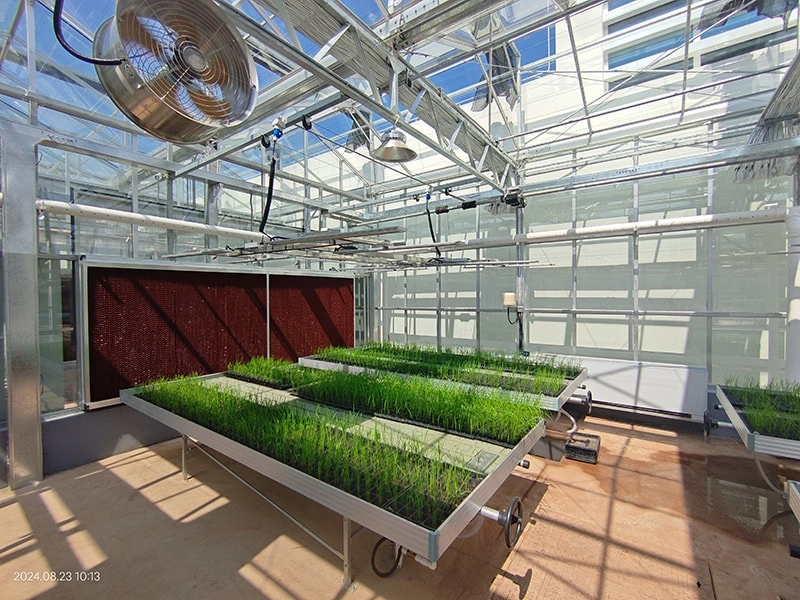
As global agriculture continues to move toward intelligent, energy-saving, and high-efficiency cultivation systems, greenhouse technology has become one of the most important solutions for modern farming. In recent years, LED grow lighting systems have played a critical role in improving crop quality, increasing yields, and extending growing seasons. Among the leading solutions in this field, Seegree LED Grow Lights have demonstrated excellent performance in greenhouse projects worldwide.
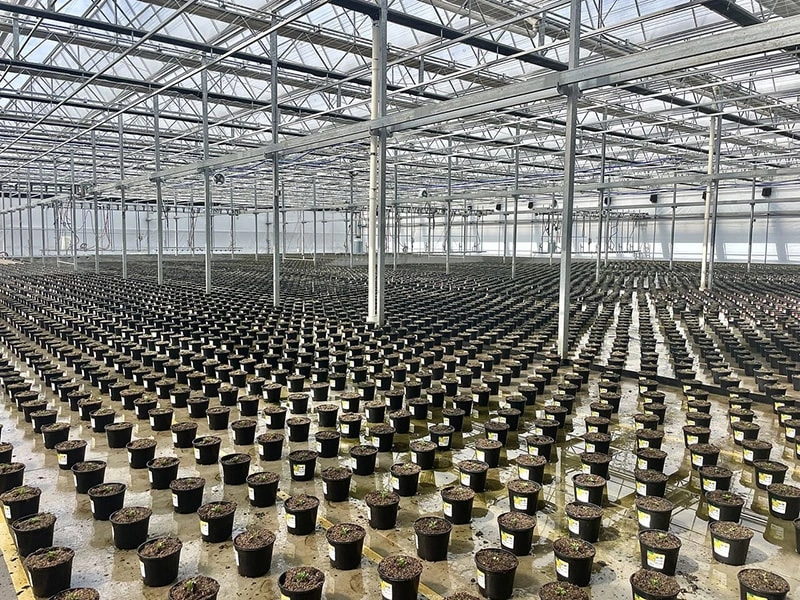
In today’s rapidly evolving agricultural industry, growers around the world are seeking smarter, more sustainable, and more profitable cultivation solutions. Whether for vegetables, flowers, fruits, nurseries, hydroponics, or commercial farming projects, modern greenhouse systems have become an essential investment for increasing productivity and ensuring stable crop quality throughout the year.
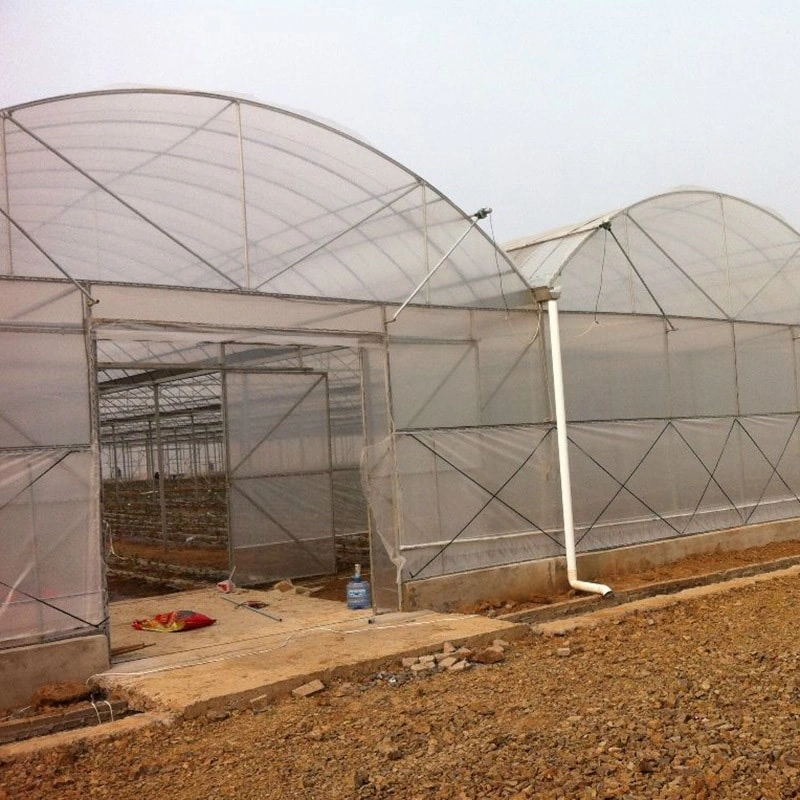
Supplemental lighting systems are crucial components in modern greenhouse and smart agricultural facilities. Their primary function is to compensate for insufficient natural sunlight, ensuring consistent, high-quality, and year-round crop production regardless of external weather conditions or seasonal limitations.
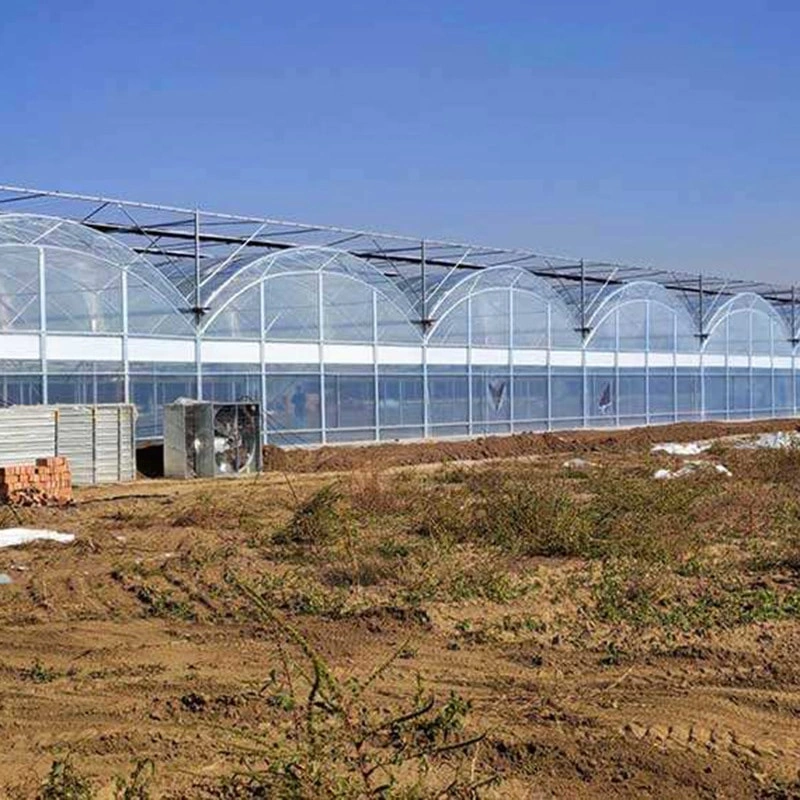
Intelligent agricultural greenhouses, representing the pinnacle of modern farming technology, are advanced cultivation facilities that integrate automated control systems, IoT sensors, and data analysis management platforms. They surpass the basic physical protection offered by traditional greenhouses by enabling real-time monitoring and intelligent regulation, thereby creating and maintaining a continuously optimized growing environment for crops. This facilitates precision, high efficiency, and an industrialized approach to agricultural production.
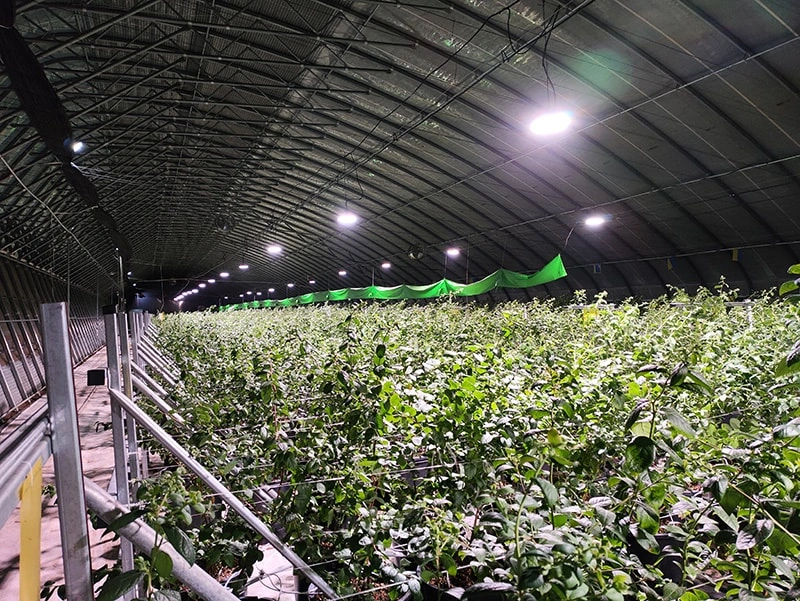
Vegetable and flower greenhouses, commonly referred to as horticultural or production greenhouses, are controlled environment structures specifically designed for the cultivation of edible crops and ornamental plants. Their primary purpose is to create and maintain optimal growing conditions independent of external weather, thereby maximizing yield, quality, and production efficiency.
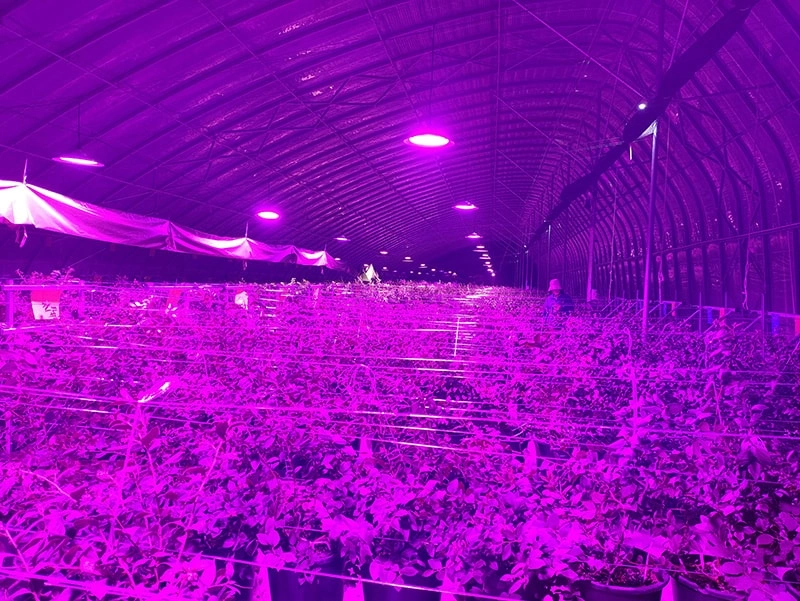
Greenhouse fasteners, also known as greenhouse clips, clamps, or connectors, are essential hardware components designed for the assembly, securing, and maintenance of greenhouse structures. They play a critical role in ensuring the structural integrity, stability, and longevity of the greenhouse by firmly joining various parts together and holding covering materials in place.
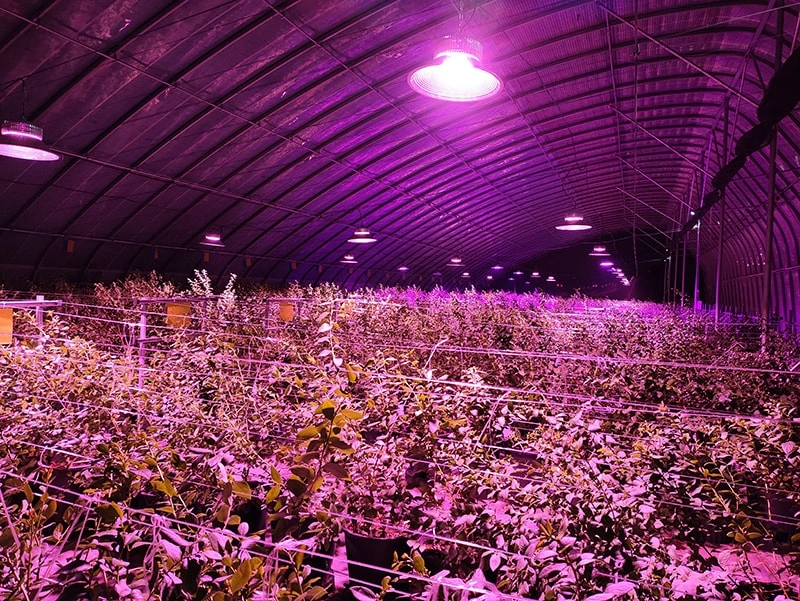
Greenhouse thermal blankets, also known as insulated greenhouse covers or energy-saving blankets, are specialized protective layers designed to maintain optimal temperatures within greenhouse structures. Their primary function is to reduce heat loss during cold nights and winter months, thereby creating a stable and warm microclimate for plant growth.

A greenhouse, often referred to as a glasshouse or polyhouse, is a controlled environment structure designed to cultivate plants under optimal conditions, regardless of external weather. Modern greenhouse technology has evolved far beyond simple protective shelters, integrating advanced systems for efficient and sustainable agricultural production.

Modern greenhouse systems represent a sophisticated and versatile solution for contemporary agricultural and horticultural needs. These controlled-environment structures enable year-round cultivation, optimal resource management, and enhanced crop yields, regardless of external climatic conditions. Our company specializes in the design, fabrication, and installation of a comprehensive range of greenhouse types, each tailored to specific applications and client requirements.